A photographer’s reflections on performance, self-consciousness, and the curious art of letting go.
A pose can be perfectly accurate and still feel strangely empty.
As photographers, we spend a great deal of time directing people. Turn your chin. Relax your hands. Move your elbow. Look toward the light. We make countless little adjustments in pursuit of a photograph that feels effortless.
But sometimes, the harder we work to perfect a pose, the further we move from the very thing we’re trying to capture.
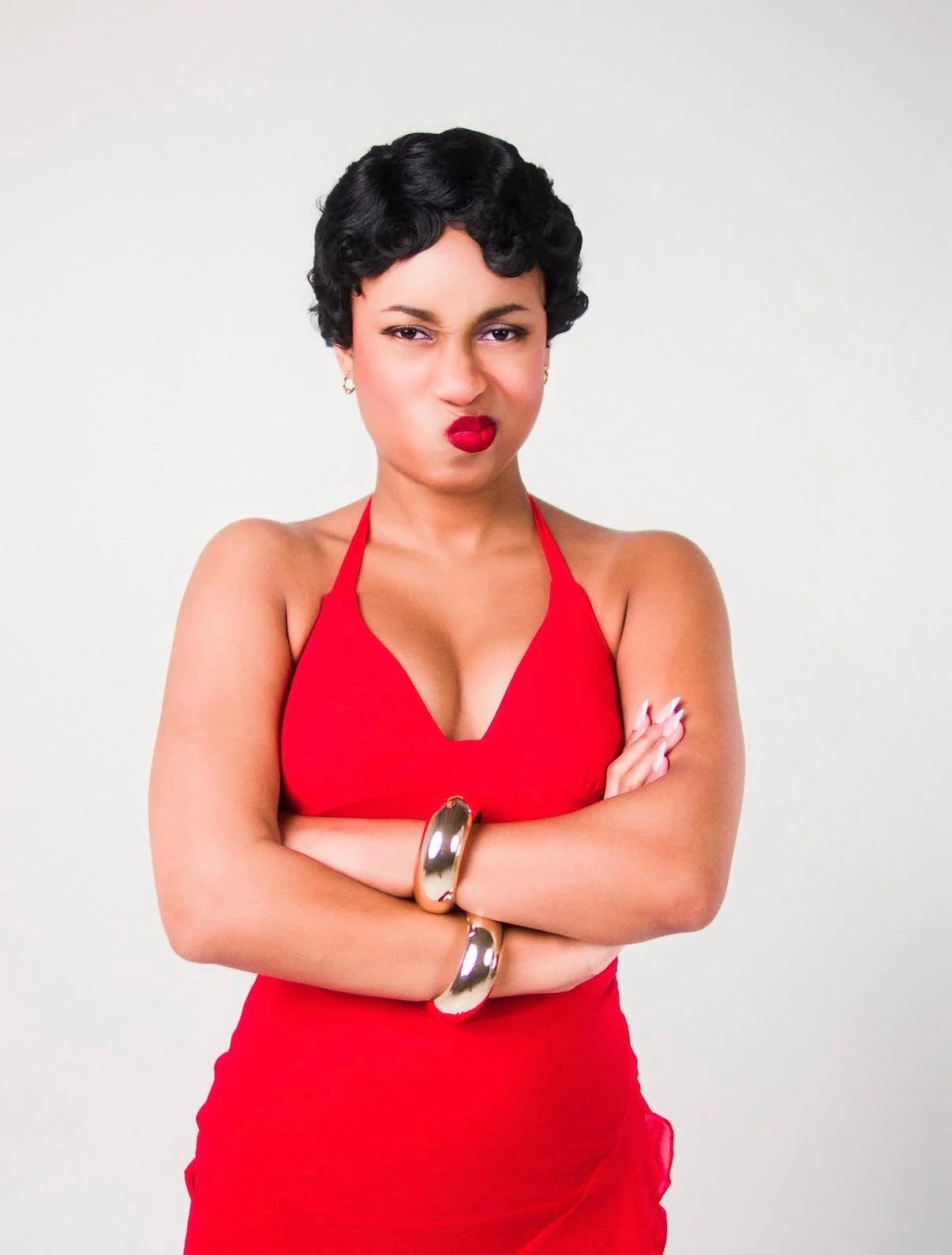
Dahlia and I had worked together about four times before we rented a studio for her Betty Boop cosplay photoshoot. She’s a local actor and influencer with a bachelor’s degree in theater and a master’s degree. Beautiful, intelligent, and experienced in the art of performance.
Which made our little predicament particularly interesting.
She arrived with references on her phone. Betty Boop’s iconic expressions, gestures, and poses were all there for us to study. We knew what we wanted to recreate.
The curls were right. The red dress was right. But something wasn’t quite coming through.
Dahlia was concentrating on the details. Where should her hands go? How far should she turn? Was her elbow in the right place? Did the expression match the reference?
And the more she thought about those things, the less life I saw in the photographs.
There’s a peculiar irony in knowing too much about what you’re doing.
Knowledge gives us control, but control can become a kind of interference. The actor begins watching herself act. The model becomes a spectator to her own body. Every gesture passes through a committee of thoughts before it has permission to exist.
Sometimes intelligence, training, and self-awareness become obstacles to spontaneity.
About ten minutes into our session, I recognized what was happening.
I could continue making technical adjustments. But what good is a beautifully arranged pose if the person inside it is busy worrying about whether it’s correct?
“Think less,” I told her.
I wanted her to stop worrying about what Betty Boop looked like and start exploring what it might feel like to be Betty Boop.
We could refine the pose afterward.
So I turned up the music.
We gave ourselves a little room to play. To experiment without measuring every gesture against a picture on a phone. To be ridiculous, expressive, flirtatious, and free.
And gradually, something changed.
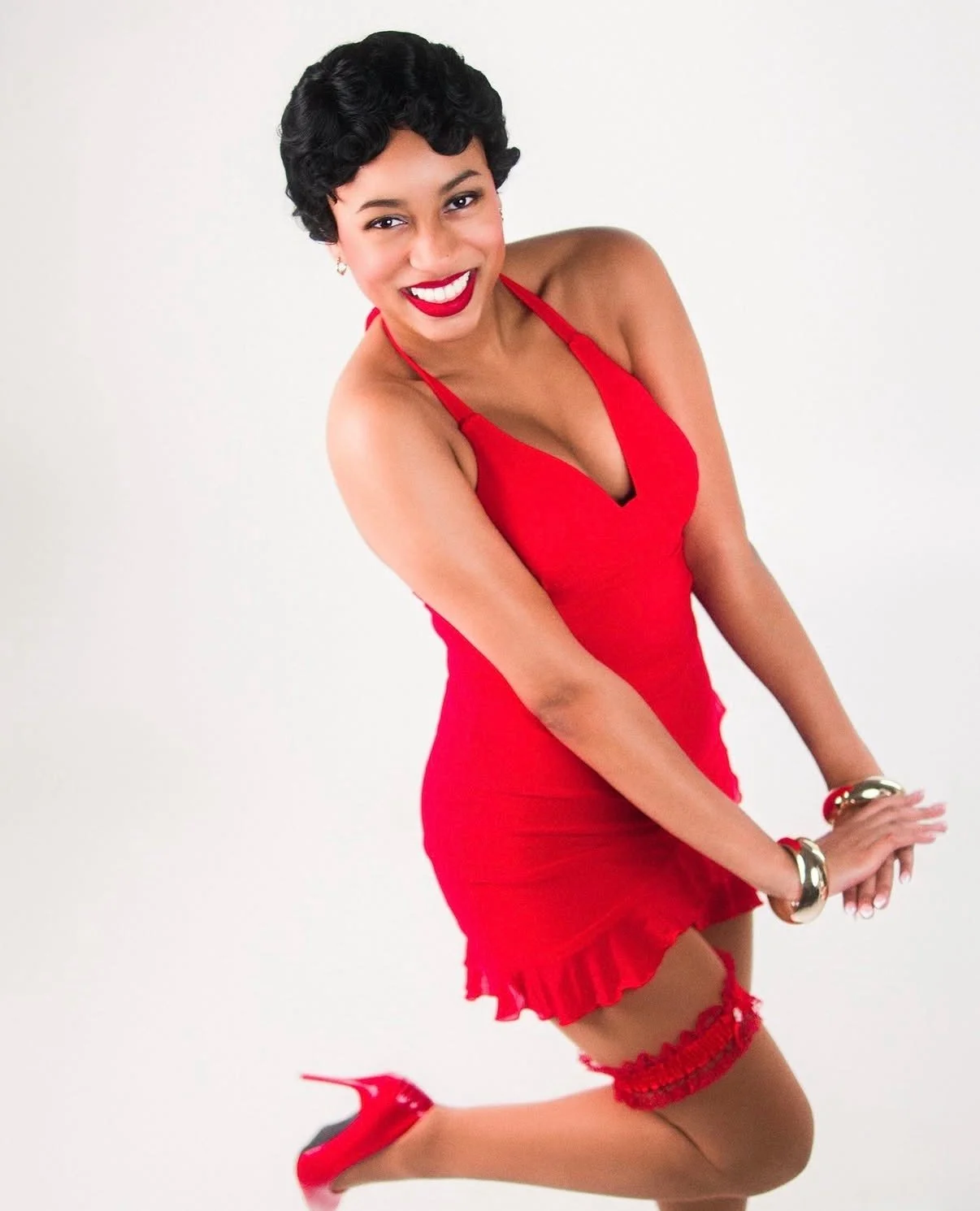
Her shoulders relaxed. Her guard came down. The smile that had been sitting on her lips began to reach her eyes.
Within another fifteen minutes, the difference was unmistakable.
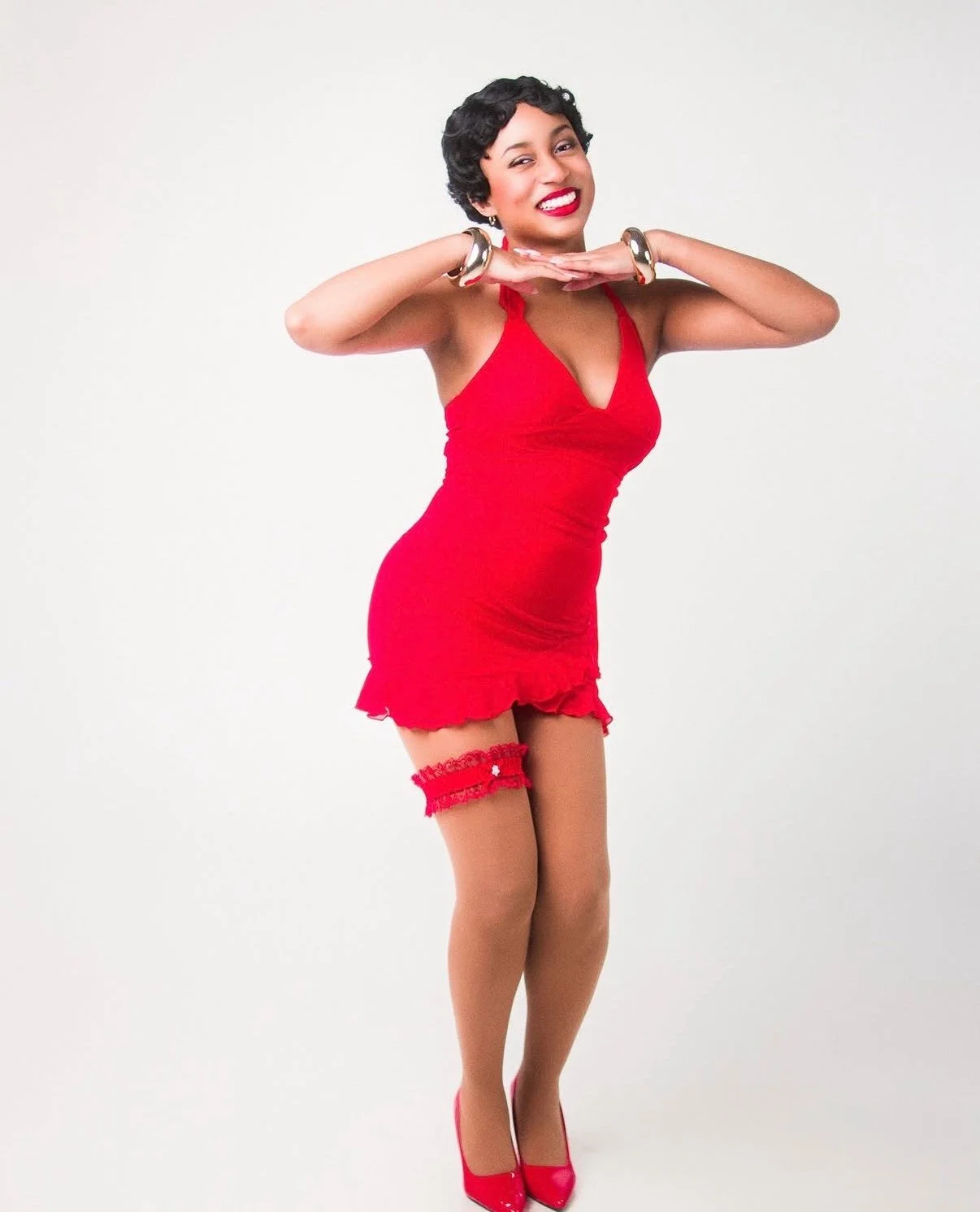
Her movements had rhythm. Her expressions had intention. The poses weren’t merely reproductions of familiar images anymore. They were coming from somewhere inside her.
Dahlia wasn’t just imitating Betty Boop. She was bringing her own interpretation of the character into the room.
And suddenly, directing her became easier.
We could still adjust an elbow, tilt a chin, or refine the composition. Technique hadn’t become irrelevant. It had simply returned to its proper place: serving the performance rather than replacing it.
That’s something I find fascinating about cosplay photography.
On the surface, cosplay is about becoming someone else. The costume, makeup, hairstyle, and recognizable poses create the illusion. But the character doesn’t truly come alive until something personal enters the performance.
Two people can wear the same costume, study the same references, and strike the same pose. Yet the resulting photographs can feel entirely different.
Because a character isn’t simply a collection of visual instructions.
It’s an attitude. A rhythm. A way of occupying the world.
And perhaps the photographer’s responsibility isn’t always to give more direction. Sometimes it’s to recognize when direction itself has become the distraction. To create an atmosphere where a performer feels free enough to stop monitoring herself and start experiencing the moment.
That’s the beautiful contradiction of directing people: sometimes you achieve more by asking less.
Looking back at our session, I don’t think we needed better references or more precise instructions. We needed to make room for the character to emerge through the person portraying her.
We could borrow Betty Boop’s poses. Only Dahlia could give her a pulse.
